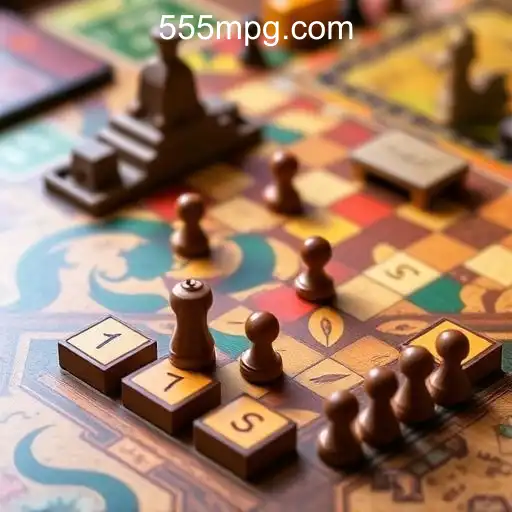
The Fascinating World of Board Games
Board games have been a staple of entertainment for thousands of years, transcending cultures and languages to unite people in play and competition. From ancient civilizations to modern households, the allure of board games lies in their ability to bring people together, engage strategic thinking, and provide a tactile experience that digital games often lack.
A Brief History of Board Games
The earliest known board games date back to around 5000 BC in ancient Egypt and Mesopotamia. These games were typically associated with ritualistic or social activities and often involved elements of chance, strategy, or a combination of both. Games like Senet and the Royal Game of Ur are some of the earliest examples that have been discovered by archaeologists.
Over the centuries, board games evolved alongside human societies. In ancient China, games like Go, which date back to the Zhou Dynasty around 1046-256 BC, emphasized strategic capture and area control, providing a highly complex game that remains popular to this day.
Modern Board Game Culture
The renaissance of board games began in the mid-20th century and continues to flourish in the 21st century. The development of games like Monopoly, Scrabble, and Risk in the early to mid-1900s, laid the groundwork for what would become a burgeoning industry. By the 2000s, the board game industry had exploded with diversity and creativity. Enthusiasts now have a plethora of choices ranging from intricate Euro games like Catan to cooperative experiences like Pandemic.
Today's board games are often categorized into two primary types: American-style games, which emphasize conflict and player elimination, and Euro-style games, which focus on resource management and strategic planning. Many games also blend elements of both to create unique experiences that cater to a wide array of players.
The Influence of Technology on Board Games
In recent years, technology has both challenged and enriched the board game industry. While video games have dominated the entertainment market, they have also inspired new board game designs that incorporate digital elements, such as apps and augmented reality.
The integration of technology in board games provides new dynamics and rulesets that weren't possible with traditional board gaming formats. Digital board games have become a genre of their own, offering players the opportunity to enjoy classics on their smartphones and tablets or engage in entirely new games that only exist in a digital format.
The website 5mpg.com Oficial Slots Brasil #1, although primarily known for its online slot games, represents a broadening landscape of gaming options that blend traditional gaming elements with modern technology, providing new avenues for gamers and collectors alike. This trend highlights the melding of worlds that enriches both online and physical gameplay experiences.
Board Games and Community
One of the most significant aspects of board games is their power to create and strengthen community bonds. Whether through traditional Saturday night family gatherings or at board game conventions with hundreds of attendees, these games have a knack for bringing people together. Social interaction is a core feature of board gaming, encouraging communication, teamwork, and a shared goal, whether competitive or cooperative.
Games like Codenames and Werewolf rely heavily on interaction, requiring players to read each other's expressions or interpret hinted clues. Such aspects enhance the in-person connection that many find lacking in some forms of digital entertainment.
The Educational Value of Board Games
Beyond entertainment, board games offer educational benefits that can aid both children and adults. Games like Chess and Go are renowned for developing logical thinking and strategic planning skills, while word games like Scrabble can enhance vocabulary and language skills.
Educational board games have been specifically designed to teach concepts in mathematics, history, coding, and even complex disciplines such as economic systems. These games provide a dynamic learning environment that is both engaging and informative.
Collecting Board Games
With the sheer variety of games available, many enthusiasts have turned to collecting board games as both a hobby and an investment. Limited edition games and classic titles can accrue significant value over time, attracting collectors from all over the world.
The artistry involved in designing modern board games often includes intricate pieces, beautifully illustrated boards, and thematic elements that make them desirable objects of collection beyond just their gameplay value. This collecting culture celebrates the board game as much for its physical form and aesthetic value as the entertainment it provides.
The board game industry continues to thrive, evolving with the demands and desires of players from every corner of the globe. Whether playing new innovative designs or engaging with timeless classics, board games remain a cherished part of human culture, offering a refreshing escape from the digital world while fostering connection and creativity.